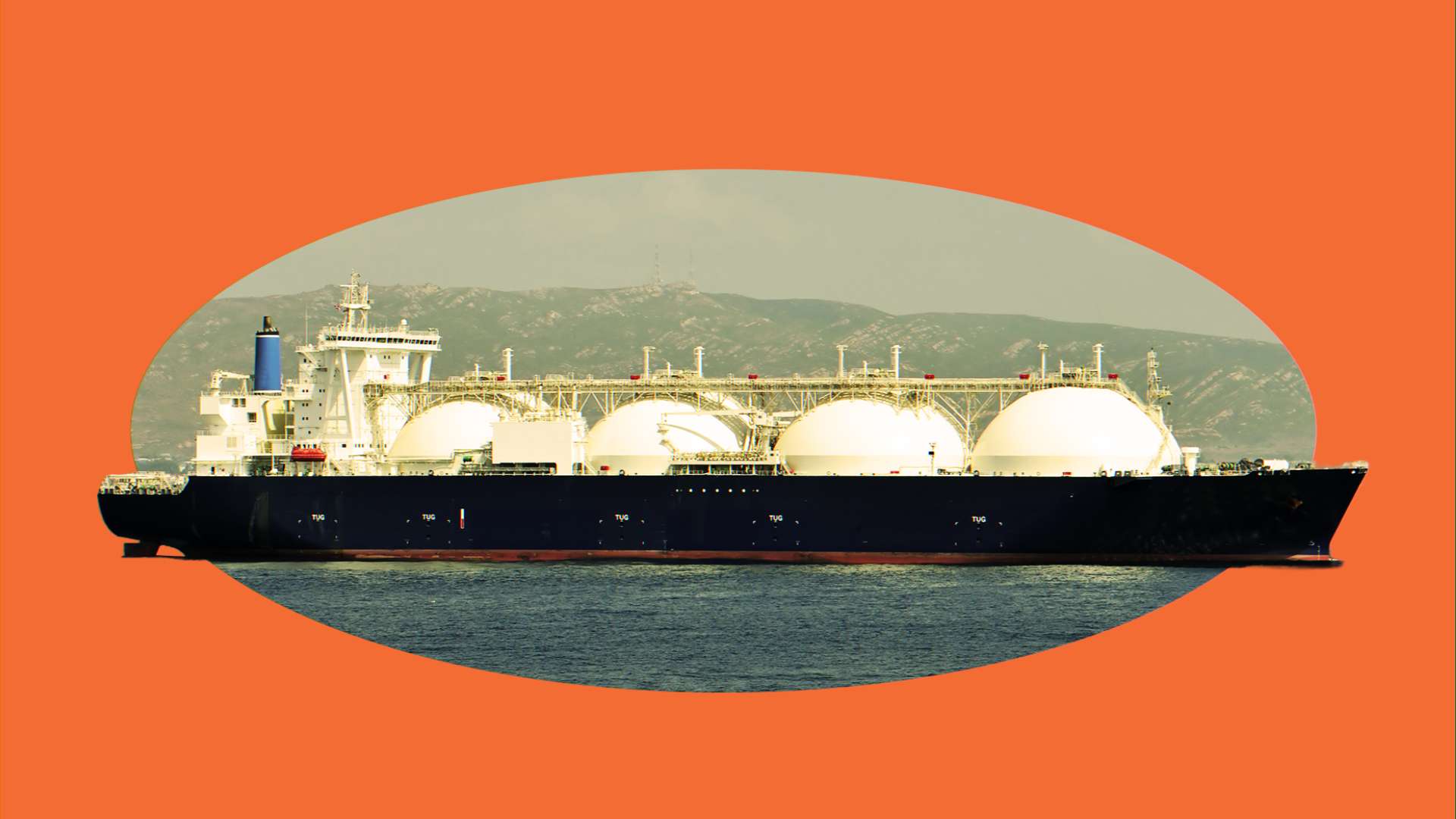
The Jones Act: Why US Shipping Waivers Address Crisis Supply
In times of geopolitical upheaval, natural disaster, or unforeseen economic shock, the intricate web of global supply chains often falters. When these critical arteries of commerce seize up, nations scramble for solutions to ensure the flow of essential goods. For the United States, a centuries-old maritime law known as the Jones Act frequently comes under scrutiny during such crises. While intended to safeguard American interests, its strictures can, paradoxically, exacerbate supply challenges. This is where a jones act waiver becomes a vital, albeit temporary, tool for addressing urgent domestic supply needs.
The concept of a jones act waiver represents a crucial point of flexibility within a rigid legal framework. These waivers, typically issued during emergencies, permit foreign-flagged vessels to transport goods between U.S. ports, circumventing the usual requirements. Understanding why and when these waivers are deployed offers a compelling look into the complexities of balancing national security, economic protection, and consumer welfare in an interconnected world.
A Century of Maritime Policy: Understanding the Jones Act
Officially known as the Merchant Marine Act of 1920, the Jones Act was enacted in the aftermath of World War I. The conflict had laid bare the vulnerabilities of American shipping, as German U-boats decimated the U.S. merchant fleet. Senator Wesley Jones of Washington championed the legislation with a clear dual purpose: to rebuild and protect the American shipping industry and to ensure the nation possessed a robust merchant marine capable of supporting national defense in times of war.
At its core, the Jones Act mandates that goods transported between U.S. ports must adhere to strict criteria:
- U.S.-Flagged Vessels: The ship must sail under the American flag.
- U.S.-Built: The vessel must have been constructed in a U.S. shipyard.
- U.S.-Owned: The ship must be owned by U.S. citizens.
- U.S. Crews: The vessel must be crewed by American citizens or permanent residents.
These requirements effectively prohibit foreign-flagged ships from participating in domestic trade, fostering a protected environment for American maritime businesses, shipbuilders, and seafarers. Proponents argue that the law is indispensable for maintaining a strategic sealift capability, providing skilled maritime labor, and safeguarding the nation's economic and military interests. It ensures that in a crisis, the U.S. has its own ships and sailors to move vital supplies and personnel without reliance on foreign entities.
The Economic & Logistical Burden: Why Waivers Become Necessary
While the Jones Act serves important national security objectives, it has faced sustained criticism for its economic implications. The protective nature of the law, by limiting competition, can lead to higher costs for both businesses and consumers. U.S.-flagged vessels are generally more expensive to build, operate, and maintain compared to their foreign counterparts, largely due to higher labor costs, stricter regulatory standards, and domestic shipbuilding expenses.
This increased cost burden is often passed down the supply chain, impacting the prices of everyday goods, from fuel to pharmaceuticals. States and territories that rely heavily on sea-borne trade for their essential supplies, such as Hawaii, Alaska, and Puerto Rico, are particularly susceptible to these elevated costs. For instance, the price of gasoline or construction materials can be significantly higher in these regions compared to the mainland U.S., partly due to the Jones Act's requirements.
Furthermore, during times of acute crisis, the limited availability of compliant U.S. vessels can slow down the delivery of critical aid or resources. If domestic capacity is insufficient, or if existing U.S. vessels are already deployed or damaged, the inability to quickly tap into global shipping resources can create bottlenecks and worsen an emergency situation. This is precisely when the mechanisms for a jones act waiver become not just desirable, but essential for rapid response.
Navigating Crisis: When the Jones Act Waiver Stepped In
The Jones Act includes a critical provision allowing for its requirements to be waived in the "interest of national defense," typically authorized through the Department of Homeland Security or the Department of Defense. These waivers are not issued lightly, as they temporarily set aside the very protections the law was designed to uphold.
A notable instance of a Jones Act waiver occurred during the Trump administration. Amid escalating tensions in the Middle East, particularly the Iran war, global oil markets experienced significant volatility, and cargo disruptions became widespread. Brent crude prices soared, and U.S. gasoline prices at the pump jumped dramatically. In response, the White House announced a 60-day suspension of Jones Act requirements. The explicit goal was to stabilize oil markets and facilitate the unobstructed flow of vital resources, including crude oil, natural gas, fertilizer, and coal, to U.S. ports.
This action underscored a critical recognition: while long-term protection of the U.S. merchant marine is important, immediate relief from exorbitant prices and supply shortages during a crisis takes precedence. The temporary lifting of restrictions allowed for the rapid deployment of foreign-flagged vessels, which could quickly bring much-needed supplies to market, helping to alleviate price pressures and ensure continuity of essential services. For more detailed insights into this specific event, you can refer to Trump's Jones Act Waiver: Easing Oil Prices & Cargo Flow.
Beyond the Waiver: Strategic Implications and Future Considerations
The issuance of a jones act waiver, while effective as a short-term solution, always reignites the broader debate surrounding the law's long-term viability and its fitness for the challenges of the 21st century. It highlights the inherent tension between national security imperatives and economic efficiency. Critics argue that frequent waivers are evidence that the law is often counterproductive to its stated goals, while supporters contend they are rare, emergency measures that don't undermine the core principles.
Practical Considerations for the Future:
- Supply Chain Resilience: The increasing frequency of global disruptions (pandemics, geopolitical conflicts, climate events) forces a re-evaluation of how domestic shipping laws impact overall supply chain resilience. Nations must consider whether reliance on waivers indicates a systemic lack of domestic capacity.
- Balancing Costs and Security: Policymakers face the ongoing challenge of balancing the higher costs associated with the Jones Act against the strategic benefits of maintaining a U.S.-flagged fleet. Innovations in shipbuilding and operational efficiencies for U.S. vessels could help mitigate some of the cost disadvantages.
- Targeted Reforms: Instead of blanket waivers, discussions sometimes center on more targeted reforms or exceptions for specific goods (e.g., crude oil, LNG) or routes (e.g., non-contiguous territories) that are disproportionately affected.
- Investment in Domestic Capacity: A proactive approach might involve increased investment in U.S. shipyards and maritime training to ensure sufficient domestic capacity exists, reducing the future need for waivers.
For businesses involved in domestic shipping or reliant on a stable supply chain, understanding the conditions under which a jones act waiver might be issued is crucial for risk assessment and contingency planning. Tracking global events, oil price fluctuations, and governmental statements can offer insights into potential disruptions and the likelihood of such waivers. To further explore the nuances of this dynamic, reading Understanding the Jones Act Waiver Amid Rising Fuel Costs offers valuable context.
Ultimately, a jones act waiver serves as a pressure release valve in moments of acute national need. It allows the U.S. to temporarily prioritize immediate crisis mitigation over the standing protectionist measures of the Jones Act, ensuring that critical supplies reach where they're needed most, even if it means bending a century-old rule to address modern-day challenges.