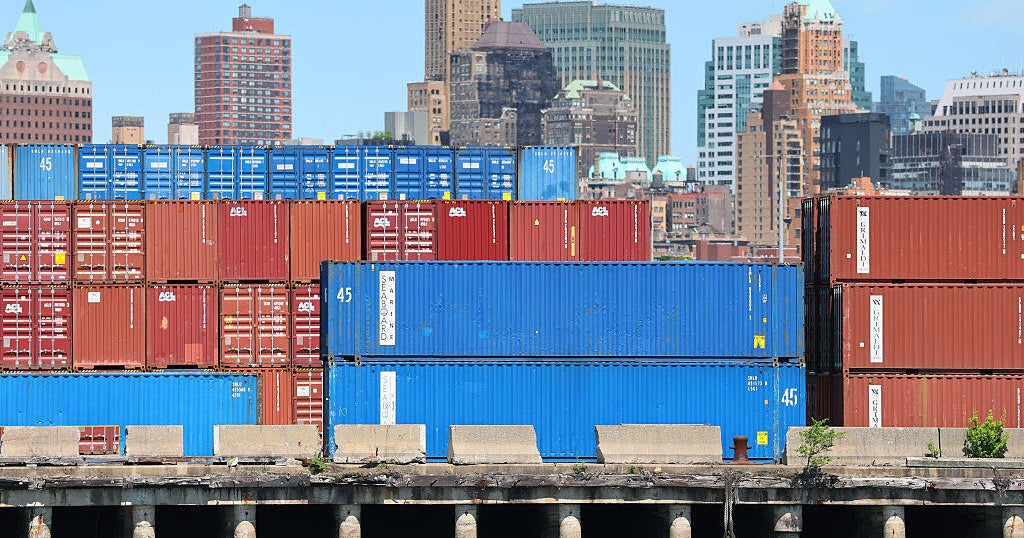
Trump's Strategic Move: Easing Oil Prices and Bolstering Cargo Flow with a Jones Act Waiver
In a period marked by unprecedented global economic volatility and geopolitical tensions, the Trump administration took a decisive step to alleviate mounting pressures on U.S. markets. This involved a temporary jones act waiver, a strategic suspension of century-old maritime shipping requirements designed to counter steep oil prices and address significant cargo disruptions. This move, lasting 60 days, aimed to provide immediate relief by allowing vital resources like oil, natural gas, fertilizer, and coal to flow more freely to U.S. ports, offering a temporary reprieve from escalating costs and supply chain bottlenecks.
The decision underscored the inherent tension between protecting domestic industries and ensuring economic flexibility during crises. By temporarily setting aside the strictures of the Jones Act, the administration sought to inject much-needed agility into the U.S. supply chain, particularly for energy commodities that had seen dramatic price spikes globally. Understanding the nuances of this waiver requires a look into the Jones Act itself, the circumstances that prompted its suspension, and the anticipated ripple effects on the American economy.
Understanding the Jones Act: A Century of Debate
The Jones Act, officially known as the Merchant Marine Act of 1920, is a cornerstone of American maritime law. Sponsored by Senator Wesley Jones of Washington state, its inception was deeply rooted in the aftermath of World War I, when German U-boats had severely depleted America’s merchant fleet. The primary objective was to rebuild and safeguard the U.S. shipping sector, ensuring the nation possessed a robust merchant fleet capable of serving national defense interests in times of war.
At its core, the Jones Act mandates that any goods transported between two U.S. ports must be carried on vessels that are:
- U.S.-Flagged: Registered under the American flag.
- U.S.-Built: Constructed in shipyards within the United States.
- U.S.-Owned: Operated by American citizens or companies.
- U.S.-Crewed: Manned by a crew composed primarily of U.S. citizens or permanent residents.
While strongly supported by U.S. shipping companies, national security advocates, and organized labor for fostering domestic jobs and maintaining a strategic maritime capability, the law has long been a subject of fervent criticism. Detractors argue that by effectively prohibiting foreign-flagged ships from domestic trade, the Jones Act creates a protected, less competitive environment. This lack of competition, they contend, drives up the cost of carrying cargo domestically, making U.S.-flagged vessels generally more expensive to operate and build than their foreign counterparts.
The economic burden of these higher costs often falls disproportionately on states and territories heavily reliant on sea-borne supplies, such as Hawaii and Puerto Rico, where it can translate into elevated prices for everyday goods, including fuel. This enduring debate highlights the challenging balance between economic protectionism and market efficiency. For a deeper dive into the historical context and economic implications of such waivers, read Understanding the Jones Act Waiver Amid Rising Fuel Costs.
The Rationale Behind Trump's 60-Day Waiver
The decision to issue a temporary jones act waiver was a direct response to a tumultuous global economic landscape, particularly the dramatic surge in oil prices and widespread cargo disruptions. The period was characterized by significant geopolitical tensions, including the onset of the Iran war, which severely impacted critical shipping lanes. Specifically, nearly all tanker movement in the vital Strait of Hormuz came to a halt, prompting major oil producers across the Middle East to cut production. This created a domino effect, pushing up prices for businesses and consumers worldwide.
At the time of the waiver, Brent crude, the international standard, was trading at nearly $109 a barrel, a stark increase from roughly $70 before the war began. U.S. crude prices also climbed to about $98 a barrel. The ripple effect was immediately felt at the pump, with the national average for regular gasoline topping $3.84 a gallon, an increase of approximately 86 cents. Beyond fuel, commercial ships carrying everything from pharmaceuticals to computer chips faced delays or even attacks, exacerbating existing supply chain frailties.
Recognizing the urgency, the White House confirmed its intent to suspend Jones Act requirements, which President Trump had previously characterized as "restrictive." The legal basis for this suspension rests on a provision within the Jones Act itself, allowing for waivers in the “interest of national defense,” typically through the Homeland Security or Defense Department. This 60-day temporary measure was specifically designed to allow foreign-flagged vessels to transport crucial resources—oil, natural gas, fertilizer, and coal—between U.S. ports. The immediate goal was to circumvent existing bottlenecks, increase the availability of these commodities, and, ultimately, exert downward pressure on their prices, thereby providing economic relief to American consumers and businesses alike. While not a permanent solution, such waivers have historically been deployed as emergency measures during natural disasters or acute crises, demonstrating their utility as a tool for rapid response.
Immediate Impacts and Anticipated Benefits
The 60-day jones act waiver was anticipated to yield several immediate benefits, primarily aimed at stabilizing the energy market and improving overall cargo flow within the U.S. economy:
- Easing Oil Prices: By temporarily allowing foreign-flagged vessels to transport crude oil and refined petroleum products between U.S. ports, the waiver increased the available shipping capacity. This surge in capacity and competition could lead to lower transportation costs for oil, thereby contributing to a reduction in gasoline prices at the pump. It also provided greater flexibility for refiners to source crude from various U.S. locations, bypassing congested or otherwise restricted domestic routes.
- Enhancing Cargo Flow: Beyond oil, the waiver covered other vital resources such as natural gas, fertilizer, and coal. This expansion of transport options was critical for industries reliant on these bulk commodities. Faster, more efficient movement of these goods could alleviate supply chain stress, reduce delays in manufacturing and agriculture, and help stabilize the prices of goods that depend on these raw materials.
- Providing Economic Relief: The direct beneficiaries were businesses facing escalating input costs and consumers grappling with higher prices for fuel and essential goods. By facilitating the cheaper and quicker movement of critical resources, the waiver aimed to mitigate inflationary pressures and provide a short-term boost to economic stability.
For businesses engaged in shipping or those heavily reliant on the transport of the specified commodities, the waiver presented a strategic window. It offered an opportunity to re-evaluate logistics, explore new, more cost-effective shipping routes for a limited period, and potentially build up inventories to buffer against future disruptions. While 60 days is a relatively short period, it could offer a crucial breathing room for supply chains to adapt and for markets to absorb some of the shocks. However, the temporary nature also meant that long-term strategic adjustments or investments based on this flexibility would be risky, highlighting the need for careful planning and agile operations.
The Broader Debate: Critics, Supporters, and Future Implications
Trump's jones act waiver, while a tactical response to an immediate crisis, inevitably reignited the perennial debate surrounding the Jones Act itself. Supporters of the law, primarily domestic shipping companies, maritime labor unions, and national security strategists, consistently argue for its necessity. They emphasize its role in maintaining a skilled maritime workforce, supporting U.S. shipyards, and ensuring a readily available merchant marine fleet for military support during conflicts. For them, waivers, even temporary ones, erode the foundational principles of the law and potentially weaken national security over the long term.
Conversely, critics, including various economic policy groups, some energy industry stakeholders, and representatives from isolated U.S. regions, view the waivers as an acknowledgement of the Jones Act's inherent inefficiencies and economic burdens. They argue that the high operational and construction costs associated with U.S.-flagged vessels, coupled with limited domestic shipping capacity, often lead to higher prices for consumers and hinder competitive markets. The waiver, in their view, merely provides a glimpse into the economic advantages of a more open shipping market.
This temporary suspension, therefore, underscored the fundamental tension between economic protectionism and market flexibility in times of crisis. It highlighted how a law designed for national security in a post-WWI era can become a bottleneck in a complex, globalized economy facing modern challenges like supply chain disruptions and rapidly fluctuating energy markets. The recurrence of such waivers in various administrations, often in response to emergencies like hurricanes or economic crises, poses a critical question: should the Jones Act be permanently reformed or made more flexible to address contemporary economic realities without compromising national defense? The ongoing discussion surrounding the Jones Act and the necessity of these waivers in times of acute need is further explored in Jones Act: Why US Shipping Waivers Address Crisis Supply.
In conclusion, the Trump administration's 60-day jones act waiver was a calculated measure aimed at injecting urgently needed fluidity into U.S. supply chains and stabilizing energy markets amidst global turmoil. By temporarily lifting restrictive shipping requirements, the initiative sought to alleviate high oil and gasoline prices and improve the flow of other critical commodities. While offering immediate relief, this action also underscored the continuous national conversation surrounding the Jones Act—a debate that balances the imperative of national defense and domestic industry protection against the economic realities of a globally interconnected world, where efficiency and cost-effectiveness are paramount.